


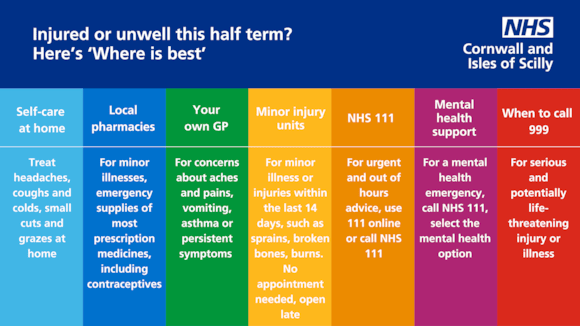
From beach days and barbecues to coastal walks and family fun, the May half term and bank holiday is a great time to enjoy everything Cornwall and the Isles of Scilly have to offer.
To help residents and visitors have a safe, healthy and enjoyable break, NHS Cornwall and the Isles of Scilly is sharing simple advice to keep everyone well. NHS Cornwall’s chief medical officer, Dr Chris Reid, said: “The May half term and bank holiday is a fantastic opportunity to get outside, relax and spend time with family and friends. A little planning can make a big difference to staying safe and well, whether that’s packing sun cream and water, keeping an eye on the weather, or knowing where to get help if you need it. “Hopefully the weather will be warm and sunny. Young children and older adults are more vulnerable to heat and dehydration, so it’s important to check in with them regularly, encourage plenty of fluids and avoid the hottest part of the day. “If you do need medical advice, your local pharmacy is a great first stop. Pharmacists can offer expert advice and treatment for many minor health concerns, helping you get the right care quickly.”
Stay sun safe and hydrated
Even in spring, the sun can be strong, especially near the coast.
- Use a high‑factor sunscreen and reapply regularly, including after swimming
- Seek shade between 11am and 3pm
- Wear a hat and sunglasses
- Drink plenty of water and limit alcohol in the sun
- Older adults, people with long‑term conditions and young children are especially at risk in hotter weather
Signs of heat exhaustion can include headache, dizziness, nausea, heavy sweating, muscle cramps and extreme thirst. If someone becomes very unwell, confused, stops sweating or loses consciousness, call 999 immediately, these may be signs of heatstroke.
Treating sunburnDo
- Take cool showers or apply cool, damp cloths
- Drink plenty of fluids
- Use after‑sun or aloe vera gel
- Keep sunburned skin covered and out of the sun while it heals
Don’t
- Use oils, butter, petroleum jelly or ice directly on the skin
- Pop blisters or peel the skin
Insect bites and stings
Most insect bites and stings are mild and improve within a few days. Dr Reid added: “As part of Pharmacy First, a local pharmacist can recommend treatments to relieve itching, swelling and discomfort, including creams, antihistamines and pain relief.”
At home:
- Remove any sting or tick
- Wash the area with soap and water
- Apply a cold compress for at least 10 minutes
- Avoid scratching
Contact NHS 111 or your own GP if symptoms worsen, don’t improve, or if you’re bitten near the mouth, throat or eyes.
Call 999 straight away for signs of a severe allergic reaction. Barbecues and fires: enjoy them safely
- Only use BBQs outdoors and in permitted areas
- Never leave a BBQ unattended
- Keep children and pets well away
- Dispose of hot coals and gas canisters safely – never bury them in sand
Beach and sea safety: take care around the water
- Choose lifeguarded beaches and swim between the red and yellow flags
- Check tide times and weather forecasts before you go
- Keep a close eye on children and less confident swimmers
- Never take inflatables into the sea
- If you’re in trouble, remember ‘float to live’, lie on your back and try to stay calm
In an emergency at the coast, call 999 and ask for the coastguard.
Walking the South West Coast Path
The coast path is beautiful but can be challenging, especially for visitors.
- Check the weather before setting off
- Wear sturdy footwear
- Stick to the marked path and avoid cliff edges
- Carry water, snacks and a fully charged phone
- Plan your route carefully and know when to turn back
- Be tide aware – some routes are only passable at low tide
- Tell someone your plans if heading out alone
- Keep dogs on leads near cliffs and livestock
If you get into difficulty, call 999 and ask for the coastguard.
Know where to get help
- Pharmacies can treat many minor illnesses and injuries
- Use NHS 111 online, or call 111, for advice on where to get care
- In an emergency, always call 999
For more advice:
- Beach safety: www.rnli.org/safety
- Staying well: www.nhs.uk/live-well
 Council launches new climate and energy plan to deliver benefits for Cornwall
 New Mayor of Penzance ready to embrace the ‘strong communities’ of the whole parish
 Experienced Assistant Principal to lead St Austell A Levels
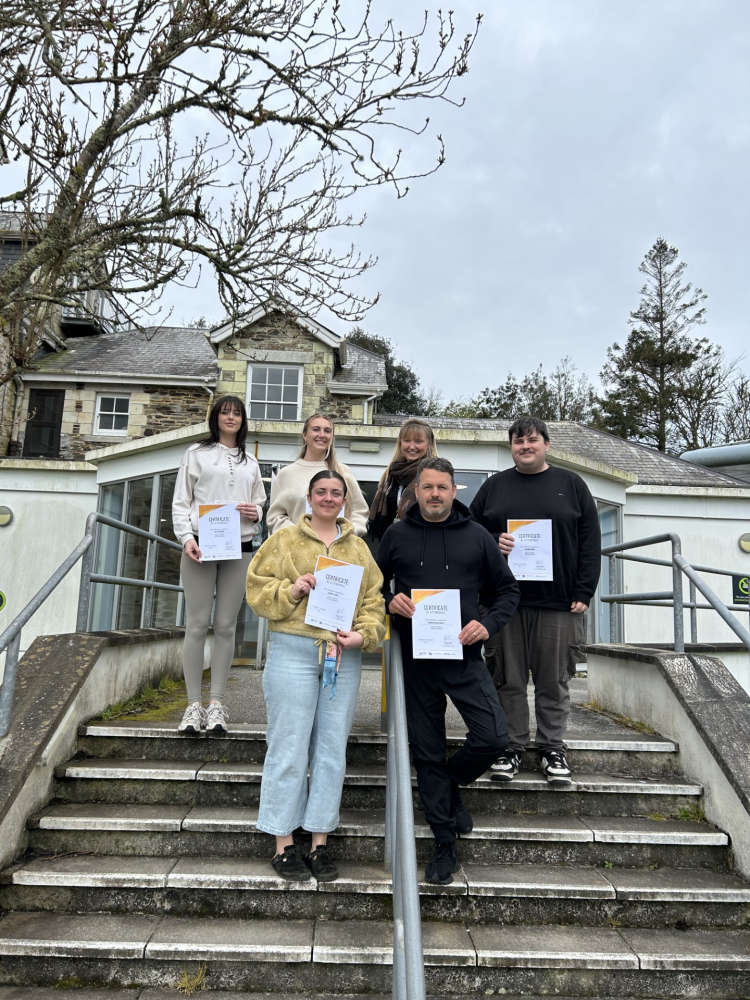 College Alumni Among Cornwall’s Rising Business Stars
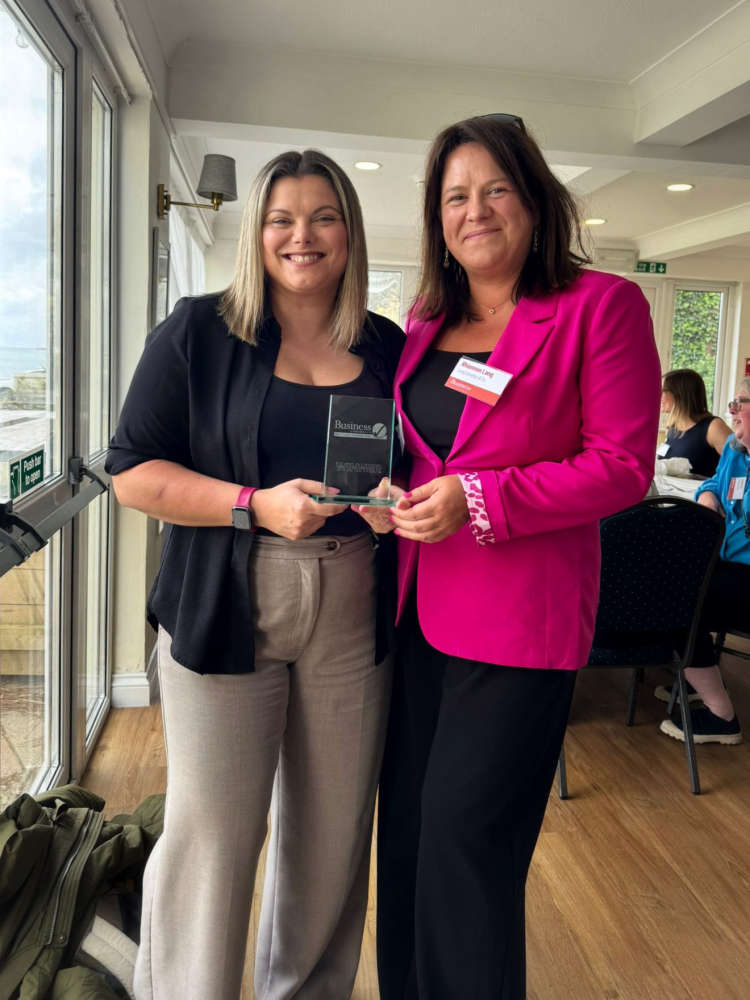 Lang Llewellyn & Co recognised as one of Cornwall’s Best Places to Work
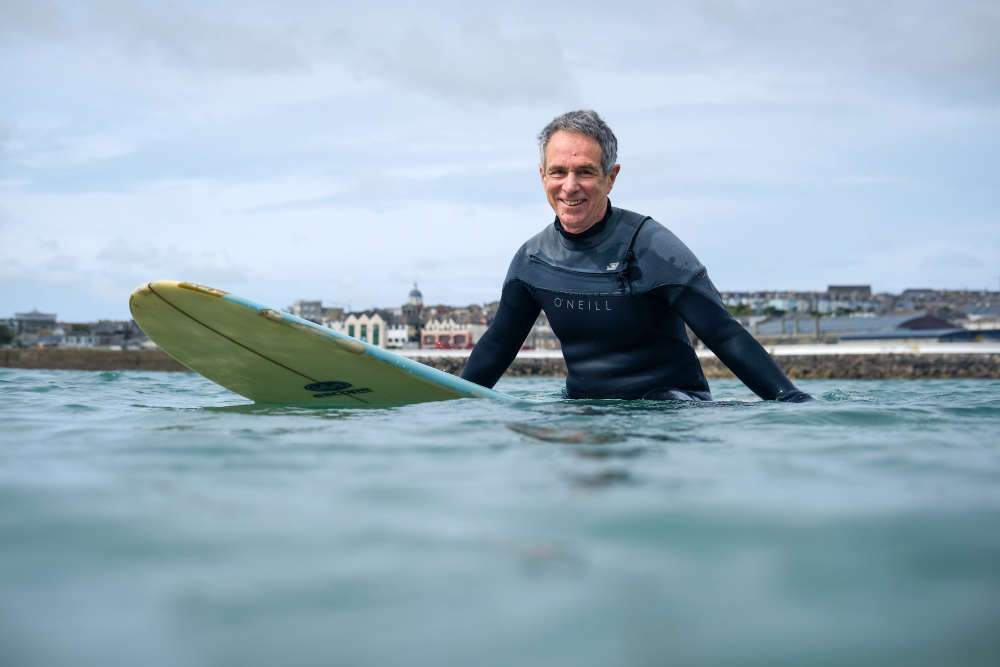 One of Penzance’s longest serving mayors waves goodbye to civic role