


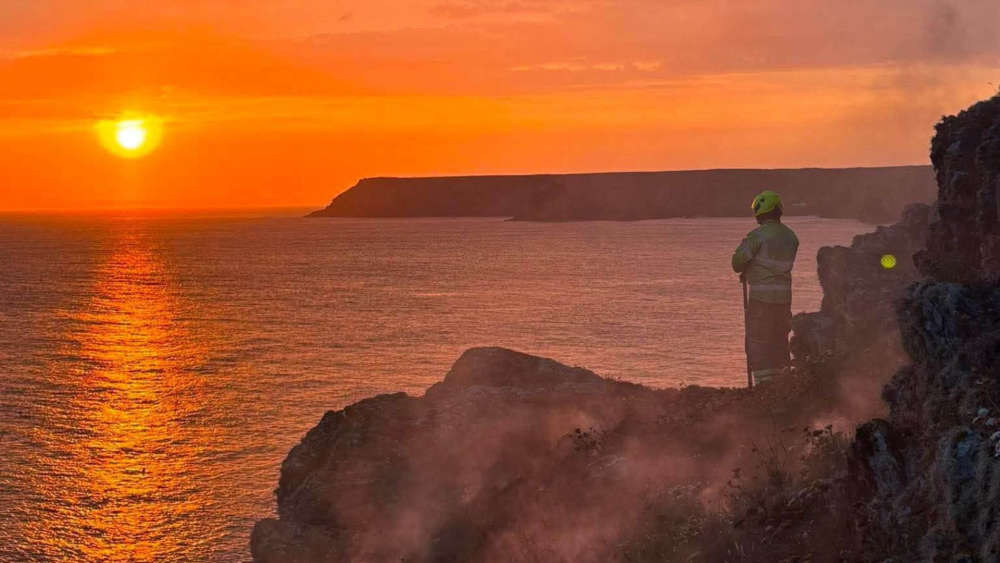
An abandoned disposable barbecue has been confirmed as the cause of a gorse fire on cliffs at the Lizard.
Crews were called at around 1.45pm on Monday, July 13, following reports of a fire at the cliff edge. On arrival, firefighters found around 30 metres of gorse alight. They used beaters and wildfire backpacks to bring the blaze under control.
Cornwall Fire and Rescue Service has now confirmed that the fire was started by a discarded barbecue.
A spokesperson said: “If you choose to use a disposable barbecue, please ensure it is placed in a suitable location, fully extinguished after use, and taken away for proper disposal.”
The service is urging the public to take extra care with single‑use barbecues to prevent wildfires and bin fires.
“Always fully extinguish used single‑use barbecues using water or sand before disposing of them in dedicated bins, and never place them directly into wheelie bins while still hot,” a spokesperson added.
How to use disposable barbecues safely in Cornwall
• Safe placement - Always set disposable barbecues on a non‑flammable, stable, level surface. Avoid dry grass, wooden benches, sand, or picnic tables, as the foil base becomes extremely hot and can ignite hidden materials.
• Extinguishing properly - Allow the barbecue to cool for several hours, then douse coals thoroughly with water or sand to ensure it is completely out.
• Correct disposal - Never bury barbecues in sand or place them in rubbish bins while hot. Past incidents have seen beach bins catch fire and emergency phone lines destroyed in areas such as Polzeath and Perranuthnoe.
• No‑go zones - Do not use disposable barbecues or campfires on moorland (including Bodmin Moor), forests, or woodlands. Dry peat and vegetation can ignite easily, creating extreme wildfire risk.
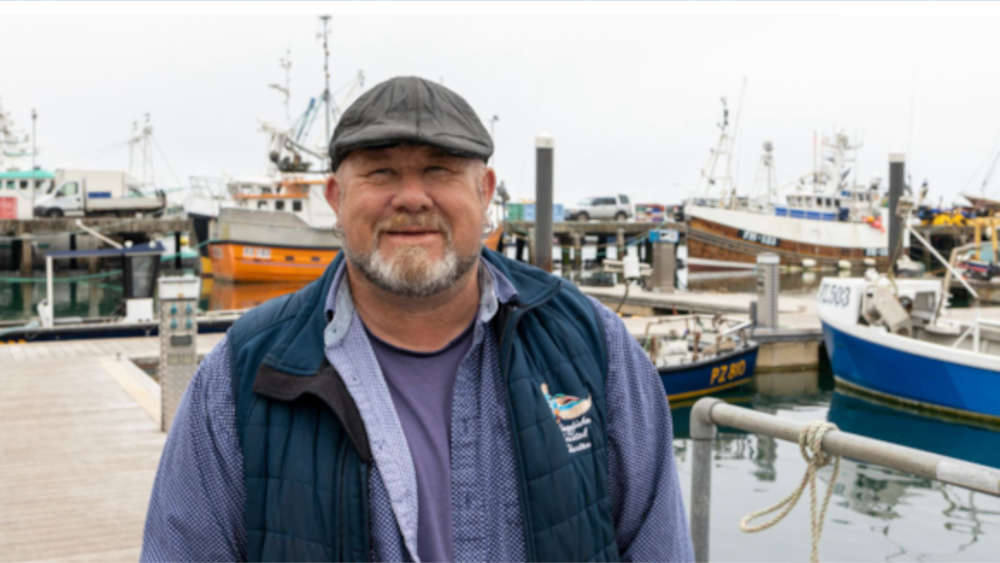 Local voices front new NHS Pharmacy First campaign across Cornwall and Devon
 New alliance boosts defence career opportunities for Plymouth students
 ‘Come on England!’: Princess Pavilion to host free semi‑final screening this Wednesday
 Appeal launched after fatal road traffic collision in Cornwall
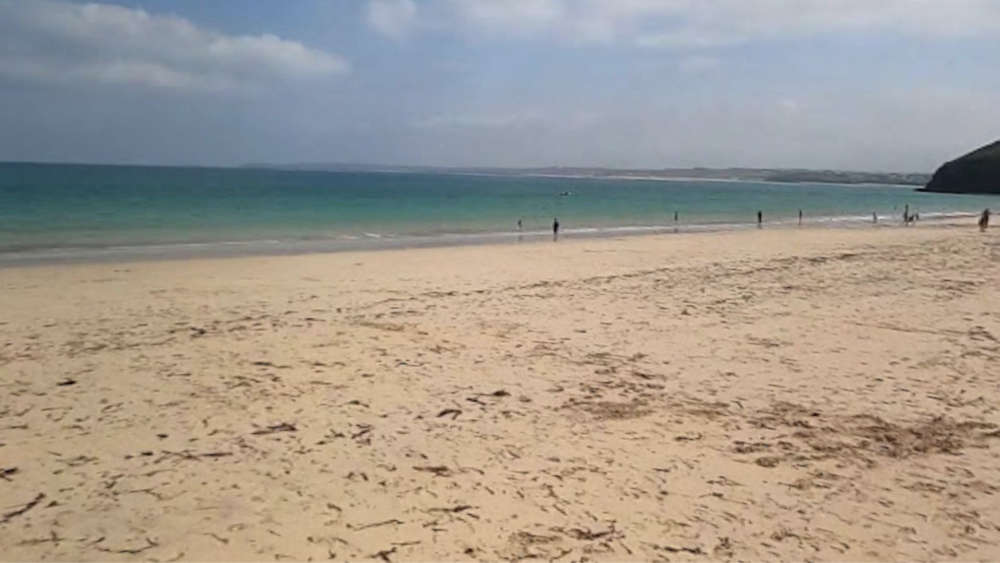 Carbis Bay teens launch 24‑hour paddle mission to boost youth programme
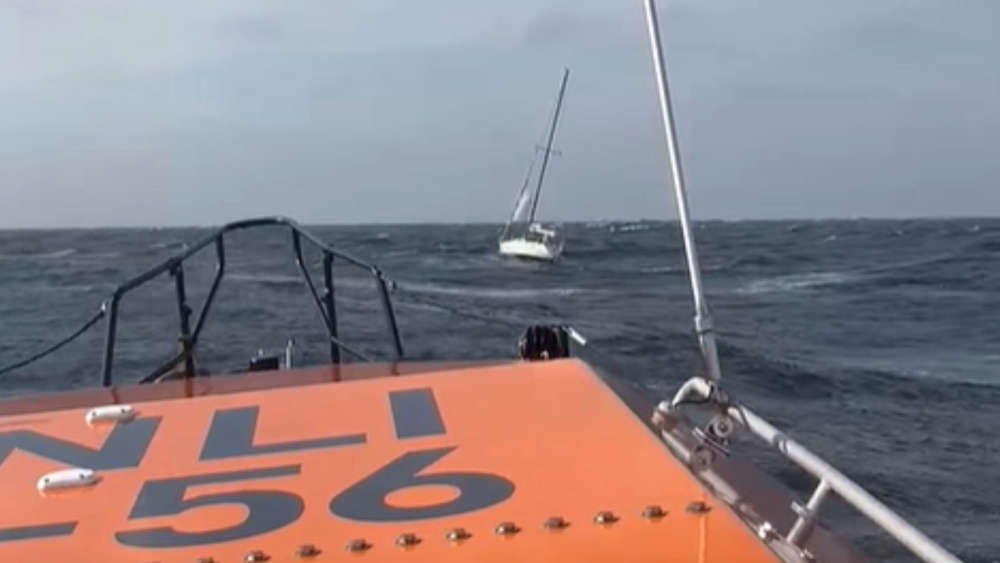 Falmouth lifeboat tows stricken yacht 30 miles back to safety in challenging seas
 Flag of St Piran flies high as new heritage headframe rises over Troon
 Eco Park turns up the volume with free gigs every weekend through July and August